

If you’re working with gRPC, you already know how important it is to test your system’s performance under real-world conditions. Whether you’re managing microservices or building real-time applications, the tools you use for testing can either save you time or create headaches.
In this article
We’ll look at some of the top gRPC load testing tools, what makes each one unique, and why they’re worth considering.
So, let’s not waste any time and go directly to the best gRPC testing tools our experts handpicked for you!
Key Takeaways
- gRPC requires specialized tools to validate latency, streaming performance, and cross-language communication.
- Leading solutions include JMeter (plugin-based), Gatling (Scala-based), K6 (JavaScript), and BloomRPC (UI-focused).
- Each tool differs in protocol coverage, scalability, scripting flexibility, and DevOps integration.
- Early benchmarking with the right tool prevents hidden bottlenecks in microservice-based systems.
- PFLB helps enterprises select and integrate tools based on system complexity, team expertise, and CI/CD pipeline maturity.
gRPC Performance Testing Tools Comparison
Choosing the right gRPC performance testing tools depends on your specific needs—whether it’s scalability, ease of use, or advanced features. A broader perspective on best load testing tools for API can also help in making an informed decision, especially when considering tools that support both REST and gRPC-based services. This comparison highlights the core features, usability, support, and pricing of the top gRPC testing tools to help you decide which one best fits your requirements.
You can also read our detailed comparison of gRPC vs REST.
gRPC load testing tools comparison:
Common Usage of gRPC
gRPC, short for Google Remote Procedure Call, is a high-performance, open-source communication framework developed by Google. It allows systems to communicate with each other seamlessly, regardless of the programming languages or platforms they use. Built on HTTP/2, gRPC is known for its efficiency, bi-directional streaming capabilities, and low latency. It’s particularly suited for distributed systems, where fast and reliable communication between different services is essential.
At its core, gRPC uses protocol buffers (Protobuf) for data serialization, which makes it faster and more compact than traditional text-based formats like JSON or XML. This framework has quickly become a favorite in modern architecture due to its flexibility and ability to scale effortlessly.
Learn more about gRPC
Its key benefits, challenges, and practical applications- What is gRPC and How Does It Work?
Because of its high performance and scalability, gRPC is widely used in various domains, each leveraging its unique features:
- Microservices Architecture
Microservices rely on fast and reliable communication between services, and gRPC is designed to meet this need. It reduces latency and improves efficiency by allowing services to interact in real time. Its support for multiple languages makes it easy to integrate into polyglot environments, where different services may be built using different technologies. - Mobile Applications
Mobile applications often require lightweight communication to ensure fast responses, even in low-bandwidth situations. gRPC’s compact Protobuf serialization format minimizes data payloads, making it ideal for mobile apps that depend on real-time data syncs or APIs. - Real-Time Streaming Applications
gRPC’s support for bi-directional streaming is a game-changer for applications like video conferencing, online gaming, and live event streaming. It allows continuous data flow between the server and the client, ensuring real-time interactions without delays. - Internet of Things (IoT)
In IoT systems, devices need to communicate efficiently, often over constrained networks. gRPC provides a lightweight and reliable protocol for transmitting data between devices and cloud platforms, ensuring smooth operation across connected ecosystems. - Cloud Services
Many cloud-native applications rely on gRPC to manage communication between distributed services. Its ability to handle concurrent streams of data over HTTP/2 helps cloud platforms maintain high throughput and scalability. For example, Kubernetes uses gRPC for its internal communication needs. - Data Pipelines and Analytics
For applications that process large volumes of data, gRPC ensures efficient transfer between systems in the pipeline. Its ability to handle structured data with low overhead makes it an excellent choice for real-time analytics platforms. - Machine Learning and AI
gRPC plays a vital role in deploying machine learning models at scale. It allows applications to interact with ML models hosted on servers, ensuring smooth and secure communication for predictions, training, or updates.
Learn more: Read our detailed guide about gRPC alternatives.
List of 7 Best gRPC Load Testing Tools
When it comes to testing gRPC performance, having the best load testing tools can make a significant difference. Below is a detailed list of the best gRPC load testing tools, including their features, advantages, and pricing, to help you find the one that fits your needs.
1. PFLB

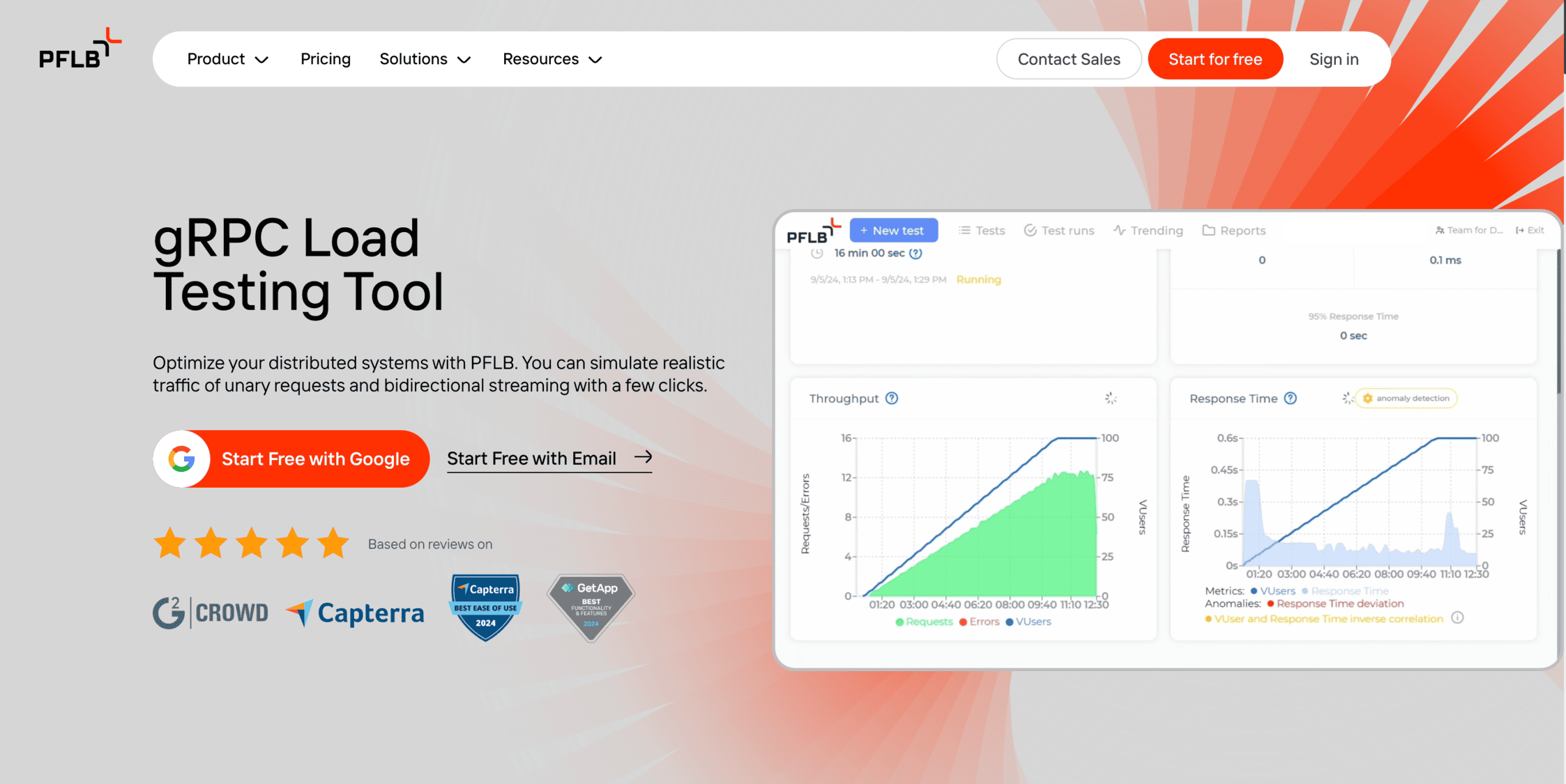
PFLB is a cloud-based load testing solution specifically designed for large-scale performance testing. It enables developers to simulate high loads across distributed systems, making it an ideal tool for testing gRPC services. With Postman integration, PFLB simplifies the process of importing API configurations and provides preconfigured load testing infrastructure, saving developers weeks of setup time.
Key Features
- Cloud-based load testing infrastructure with distributed load generators.
- No-code test builder.
- Postman and Insomnia integration for seamless API import.
- Real-time AI-powered analytics and detailed reporting.
- Supports gRPC’s unary calls and bi-directional streams load testing
Advantages
- No infrastructure is needed.
- Handles large-scale load simulations effortlessly.
- User-friendly web interface.
Pricing
PFLB is a cloud-based subscription solution, so you only pay for what you use. A free license allows up to 5 test runs, while pricing for more tests starts at $50 per month.
2. ghz

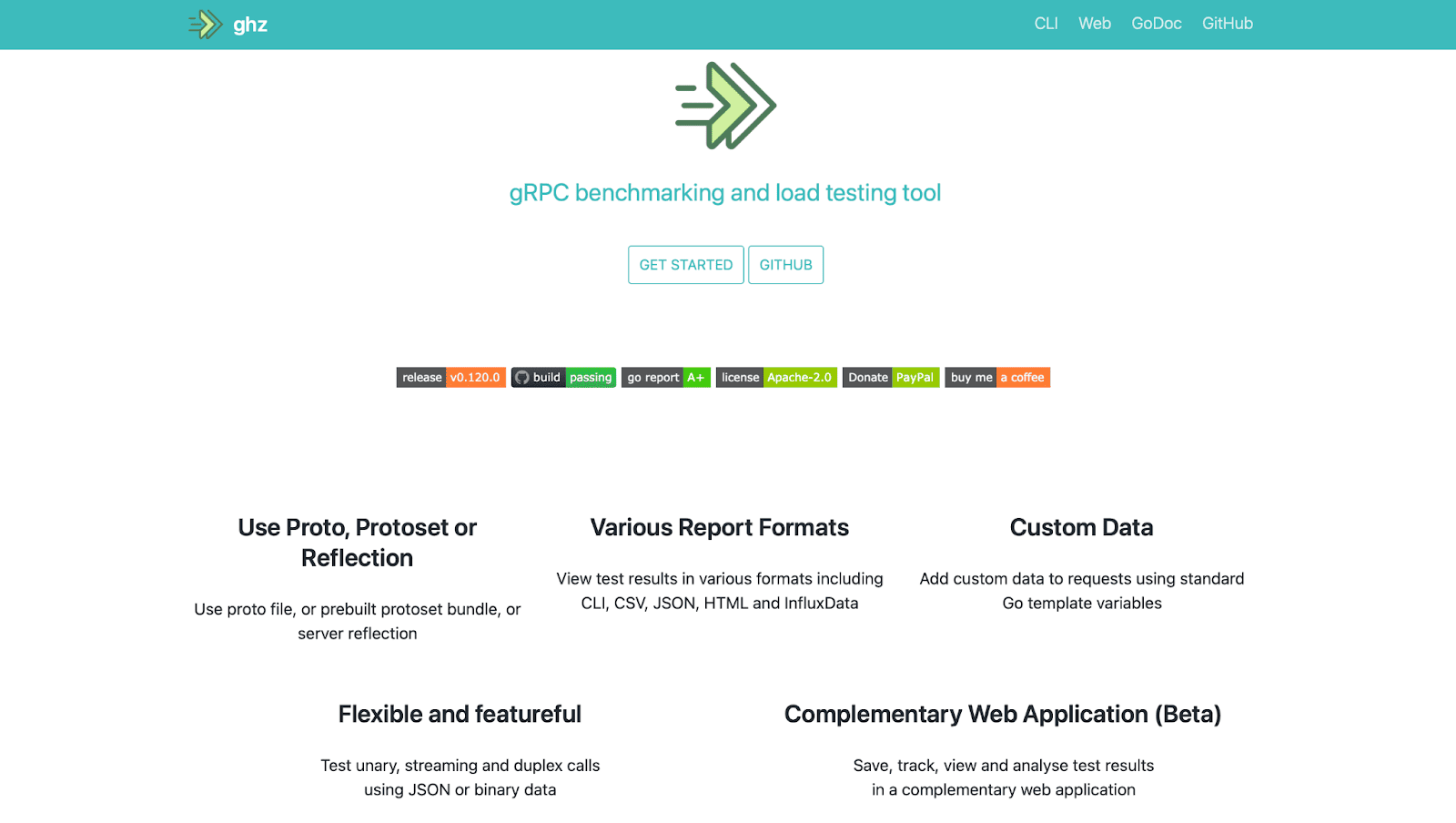
ghz is one of the open-source gRPC benchmarking tools known for its simplicity and effectiveness. It allows developers to run performance tests directly from the command line, offering valuable insights into request rates, latency, and error rates. For individual developers or small projects, ghz is a reliable, lightweight solution for gRPC performance testing.
Key Features
- Command-line interface for ease of use.
- Advanced configuration options for flexible testing.
- Generates detailed performance metrics.
- Free and open source.
Advantages
- Lightweight and fast to set up.
- Ideal for small-scale testing by individuals or teams.
- Completely free to use.
While ghz is a great entry-level tool, it’s limited in scalability and lacks certain productivity-enhancing features. PFLB, on the other hand, is designed for larger-scale, enterprise-level testing. Its cloud-based architecture enables distributed load testing, simulating millions of real-world requests—a feature ghz doesn’t offer. Additionally, Postman integration in PFLB streamlines the process of importing APIs, eliminating manual configurations and saving significant time during setup.
Pricing
Free (open source).
3. Kreya

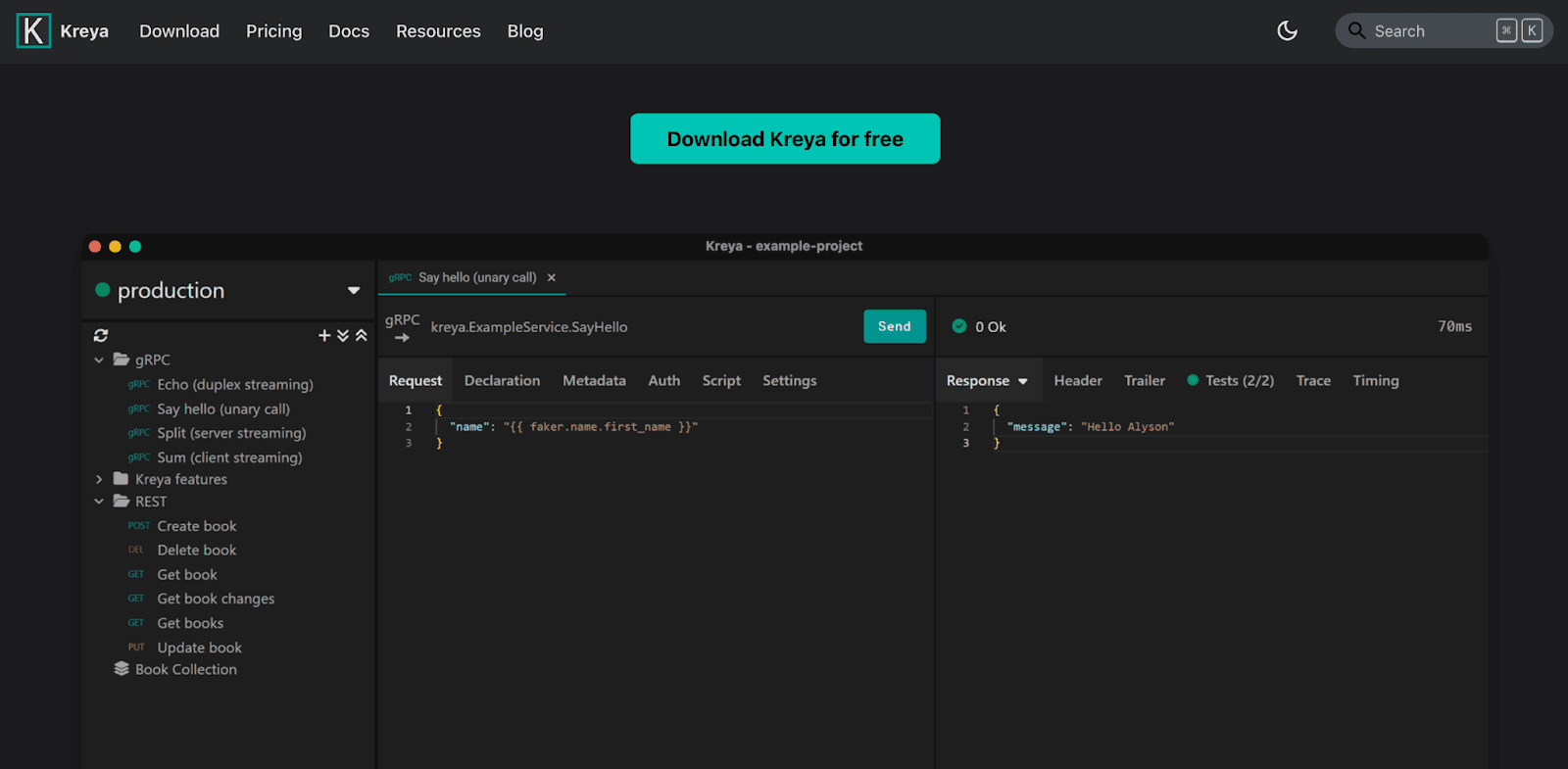
Kreya is a modern API performance testing tool that supports gRPC and RESTful APIs. Its intuitive interface and advanced debugging capabilities make it a popular choice for developers working with complex gRPC services.
Key Features
- Graphical interface for API testing and debugging.
- Support for gRPC, REST, and GraphQL APIs.
- Offline support with secure credential storage.
- Code generation for API calls.
Advantages
- User-friendly and visually intuitive.
- Great for debugging and testing in development.
- Cross-platform support.
Pricing
Free with optional premium features.
4. Postman

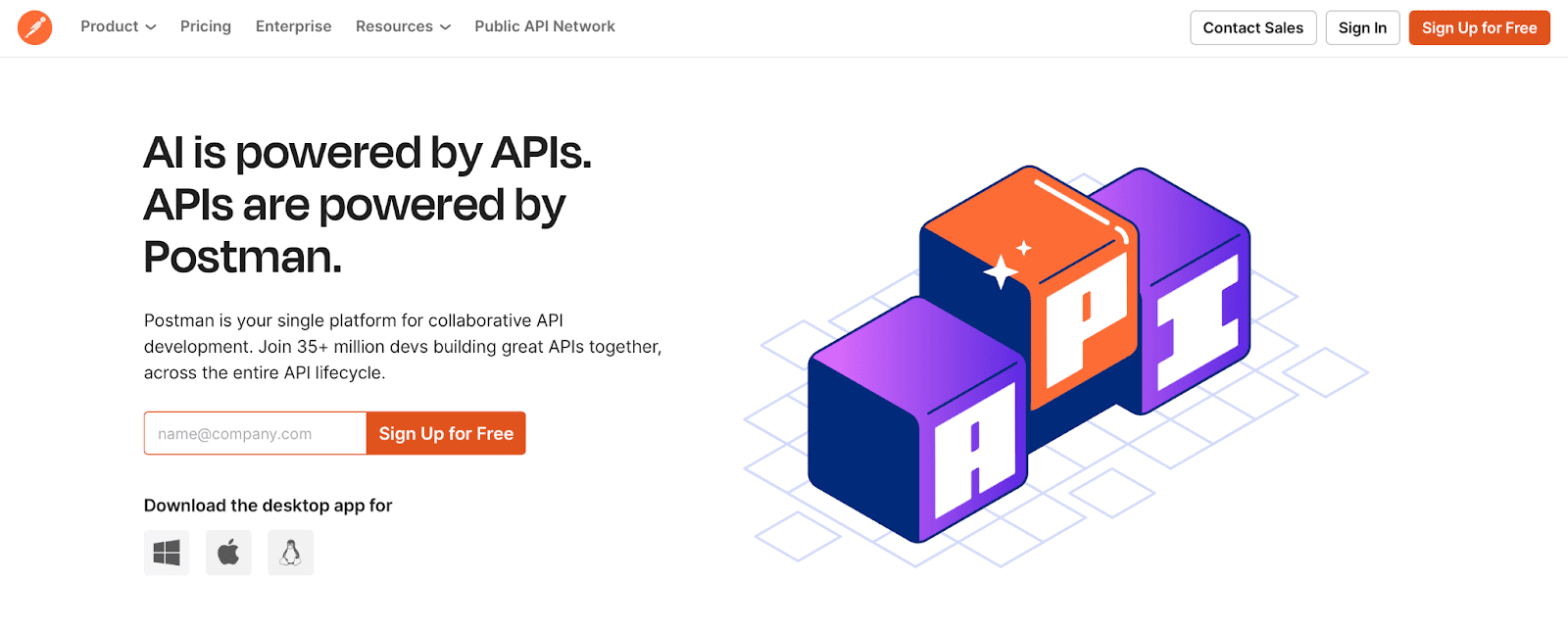
Postman is a widely recognized API development and testing tool, now equipped with support for gRPC APIs. It’s an excellent option for developers who already use Postman for RESTful APIs and want to extend their testing capabilities to gRPC.
Key Features
- gRPC API support with interactive UI.
- Integration with collaborative workspaces.
- Automated testing and reporting.
- Extensive library of pre-built API templates.
Advantages
- Versatile tool for multiple API types.
- Ideal for teams due to collaboration features.
- Regular updates and strong community support.
Pricing
Free for basic use; paid plans start at $14/user/month.
5. K6
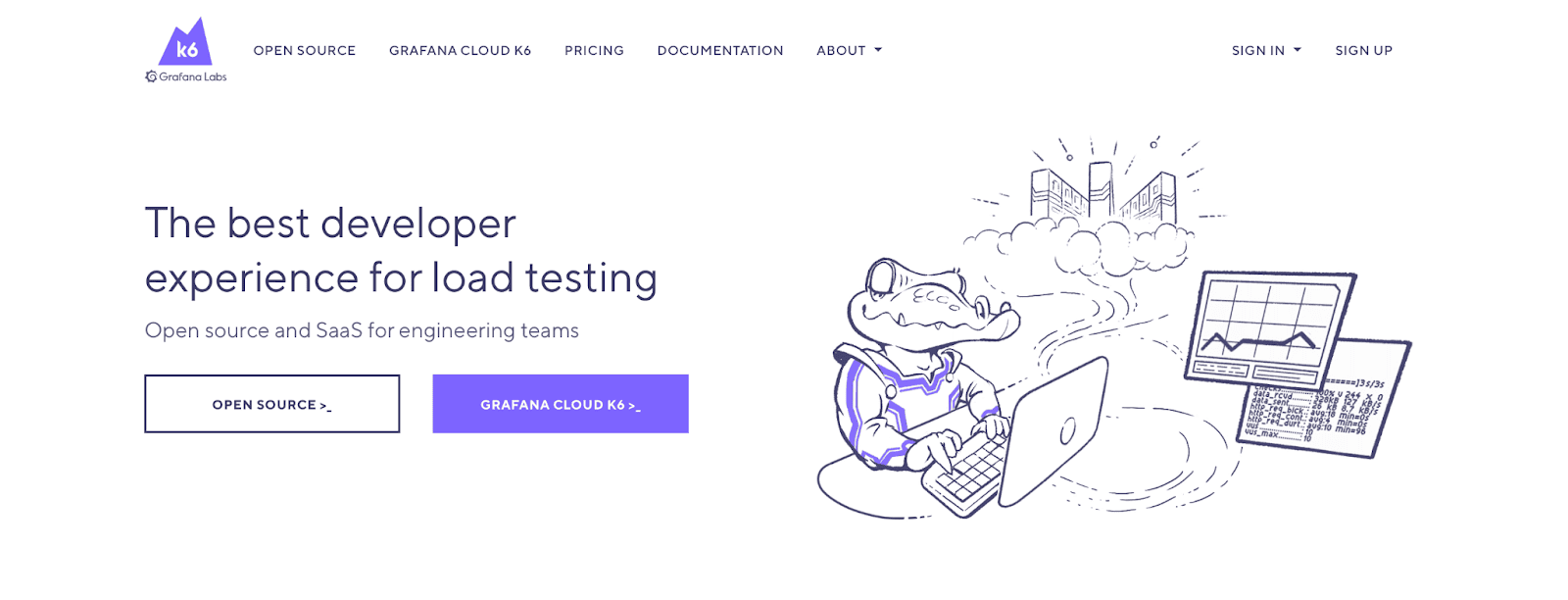
K6 is one of the modern, open-source gRPC load simulation tools designed for developers and DevOps teams. Known for its simplicity and high performance, K6 supports testing gRPC services alongside other protocols, making it a powerful choice for large-scale benchmarking. With its script-based approach, K6 allows users to define detailed performance scenarios to simulate real-world workloads effectively.
Key Features
- Native support for testing gRPC services using script-based configurations.
- Simulate millions of concurrent requests to test system performance under stress.
- Write custom performance scenarios using JavaScript-based test scripts.
- Seamlessly integrates with CI/CD pipelines for automated testing.
- Offers the flexibility to run tests locally or in the cloud.
Advantages
- Designed specifically for load testing, including gRPC performance.
- Highly scalable for large-scale and distributed testing.
- Extensible and customizable with powerful scripting capabilities.
- Active open-source community and extensive documentation.
Pricing
Free and open-source with additional paid cloud features available starting at $19/month.
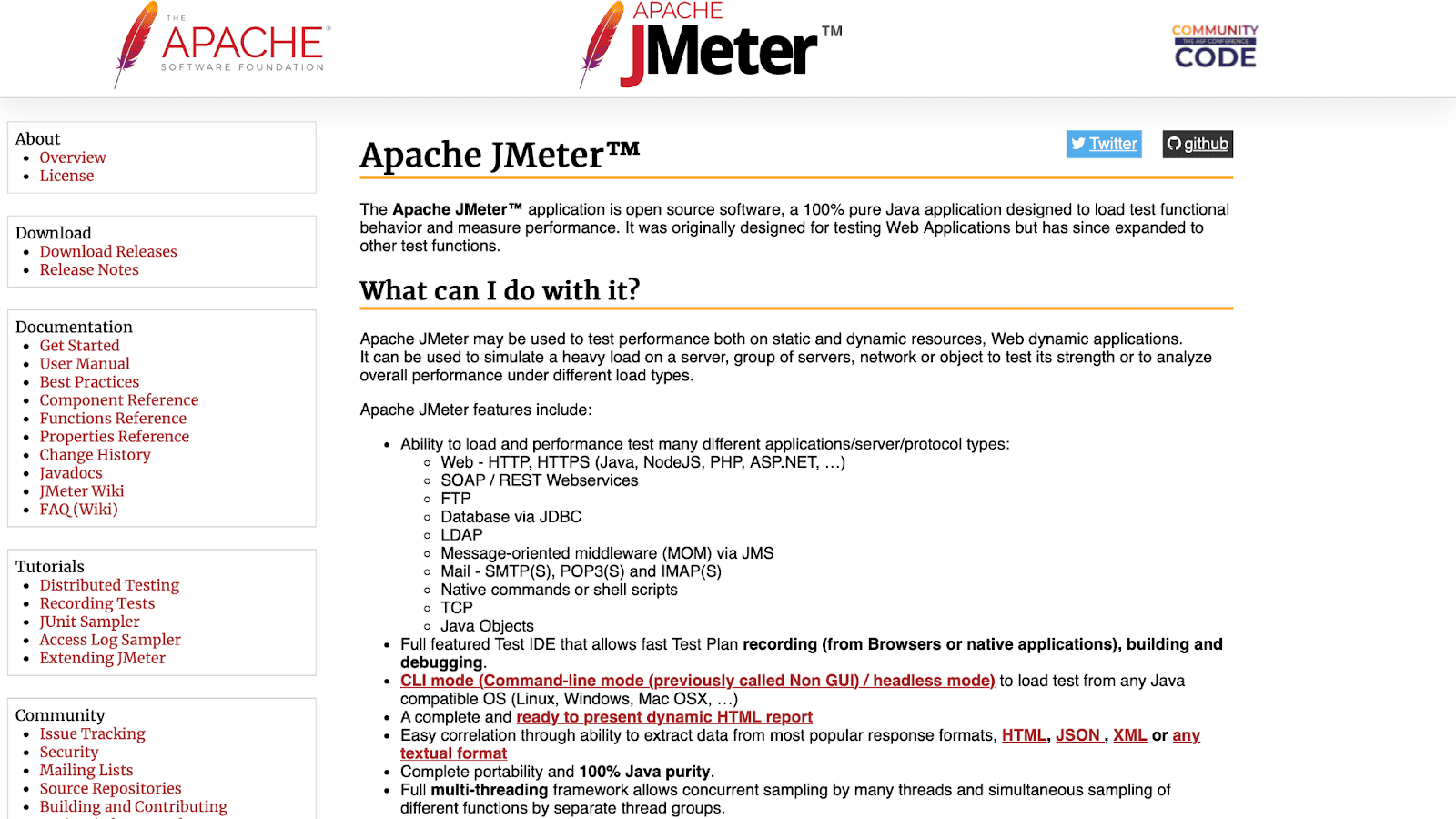
6. JMeter with gRPC Plugin

JMeter, a widely recognized open-source load testing tool, can be extended to test gRPC services using the gRPC Plugin. This combination makes JMeter a powerful solution for simulating high-performance workloads on gRPC-based systems. With its comprehensive load testing capabilities and flexible configurations, JMeter with the gRPC Plugin provides a versatile and effective approach to validating gRPC services under stress.
Key Features
- Extends JMeter’s capabilities to include gRPC performance testing.
- Simulate thousands of concurrent requests to test system scalability.
- Provides detailed performance metrics, including latency, throughput, and error rates.
- Supports custom gRPC calls and scenarios through script-based configurations.
- Automate performance testing as part of your DevOps workflow.
Advantages
- Leverages JMeter’s proven load testing framework for gRPC services.
- Offers extensive customization for performance scenarios.
- Supports distributed testing for large-scale simulations.
- Open source with a wide range of community plugins and resources.
Pricing
Free and open source.
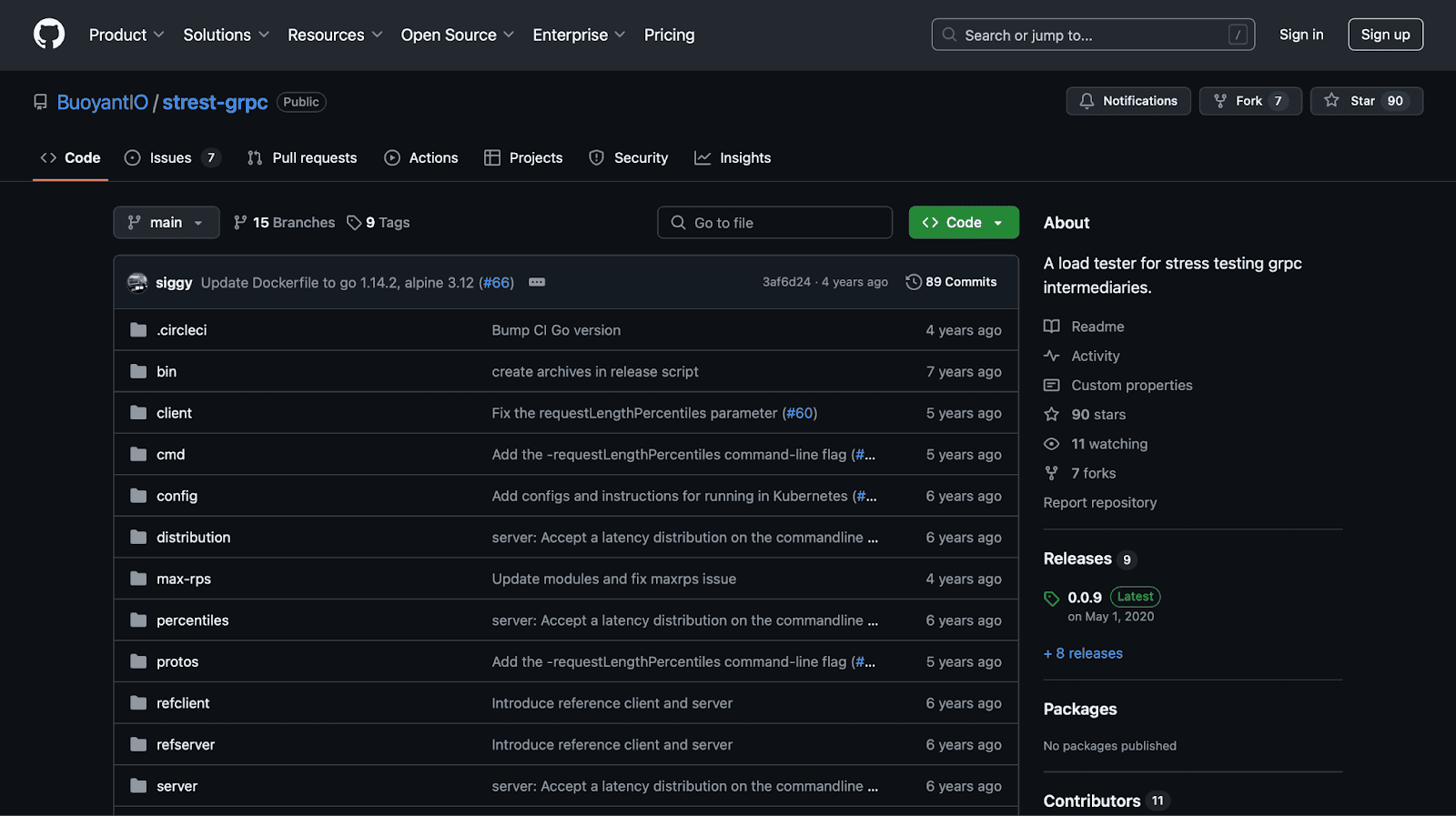
7. strest-grpc
Visit strest-grpc GitHub Repository

strest-grpc is a specialized load testing tool for gRPC services, designed to validate the scalability and performance of your APIs under stress. Built with simplicity in mind, strest-grpc allows developers to define load scenarios and execute high-volume tests to identify bottlenecks in gRPC services. Its focus on gRPC makes it an excellent choice for teams looking to ensure the reliability of their applications in production environments.
Key Features
- Designed specifically for generating high-concurrency workloads on gRPC services.
- Define and simulate various real-world traffic patterns to test system scalability.
- Provides insights into latency, throughput, and error rates.
- Simple deployment without unnecessary features, focusing entirely on gRPC load testing.
Advantages
- Tailored exclusively for gRPC performance testing.
- Lightweight and easy to integrate into existing workflows.
- Provides detailed performance data to identify system bottlenecks.
- Open source and free, making it accessible to developers and teams of all sizes.
Pricing
Free (open source).
Consider PFLB Your Best gRPC Load Testing Tool Provider
When it comes to gRPC load testing tool, PFLB stands out as a leader in delivering scalable and reliable solutions for performance validation.
With our cloud-based infrastructure and Postman integration, we simplify the complex process of testing high-performance gRPC systems, saving developers weeks of effort. Our platform is designed to handle enterprise-scale gRPC applications, ensuring they perform flawlessly under real-world conditions.
Why Choose PFLB for gRPC Load Testing?
- Scalable load testing: Simulate millions of requests with distributed, cloud-based architecture.
- Time-saving integration: Import gRPC APIs effortlessly with Postman integration, reducing manual setup.
- Real-time analytics: Gain actionable insights through advanced reporting and monitoring tools.
- Tailored solutions: Customize testing scenarios to meet the unique demands of your gRPC systems.
PFLB Load Testing Case Studies
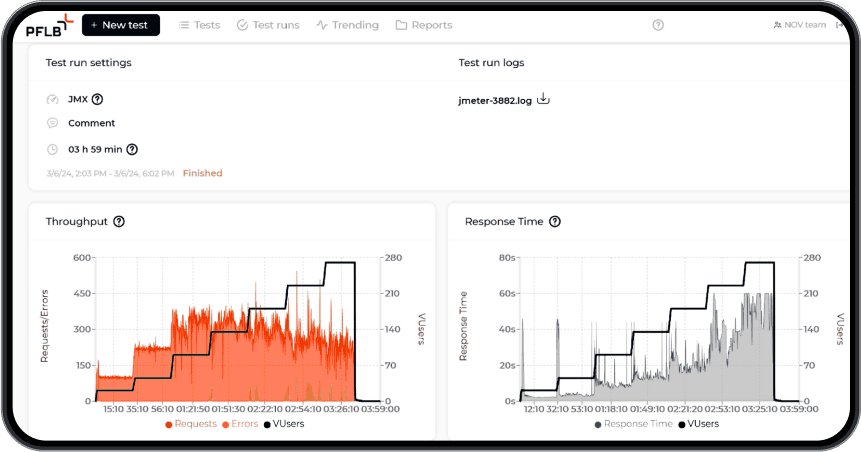
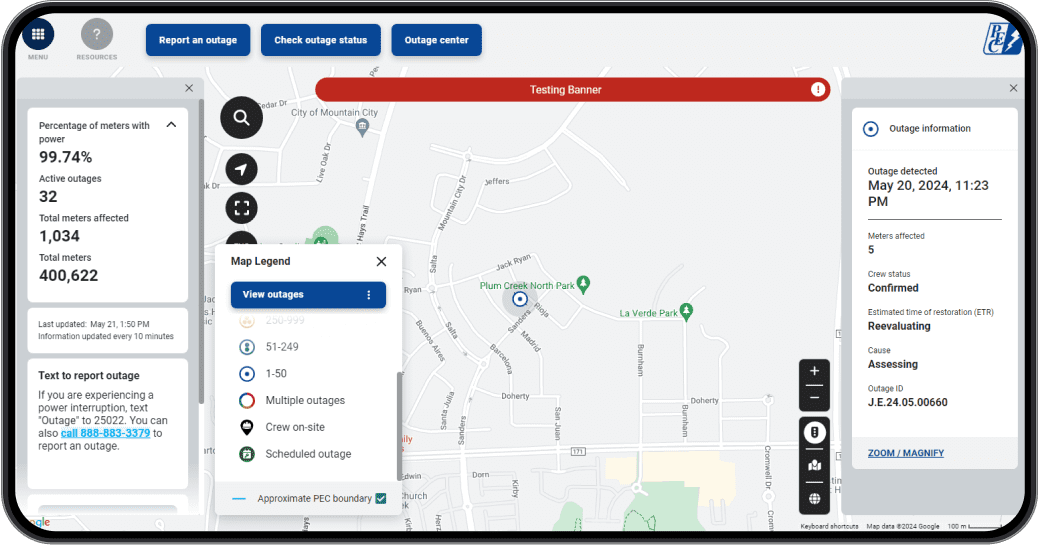
Learn about how we’ve helped organizations optimize their gRPC applications:
View Our Case Studies
Conclusion
Testing your services is about making sure your systems can handle the pressure of real-world use. Whether you’re working on microservices, IoT devices, or real-time streaming, choosing the right tool makes all the difference.
Tools like ghz and gRPC UI are great for smaller-scale testing, but when it comes to large-scale performance and load testing, PFLB truly shines. Its cloud-based infrastructure, Postman integration, and real-time analytics make it the go-to solution for developers and teams looking to take their gRPC applications to the next level.
Let PFLB help you take your load testing to the next level.