

Web Mobile Enterprise

Software Testing Services

We find the critical defects before your customers do, and give you a clear go/no-go for every release.

  • Start within days
  • Risk-based testing
  • One accountable QA lead

Trusted by:

  • Moody's
  • KFC
  • Tinder
  • SOC 2 Type Il SOC 2 Type Il certified
  • Cyber insured Cyber insured compliant
  • Zero breaches since 2008 Zero data breaches since 2008

3 Questions Before
Your Next Release

If you can't answer all three, you don't have release confidence — only hope.

  • A clear answer based on the highest-risk journeys, integrations, devices, and acceptance criteria.

  • Signup? Checkout? Billing? Permissions? Partner APIs?

  • Functional gaps, broken integrations, device issues, flaky automation, or failures under real-world load.

What Our Software Testing Services Cover

Every provider lists the same test types. What decides the outcome is
which of them your release risk actually calls for.

  • Functional and Exploratory Testing

  • Test Automation Services

  • API and Integration Testing

  • Regression Testing

  • Compatibility and Mobile Testing

  • Performance Testing

See a Real
QA Case
in One Minute

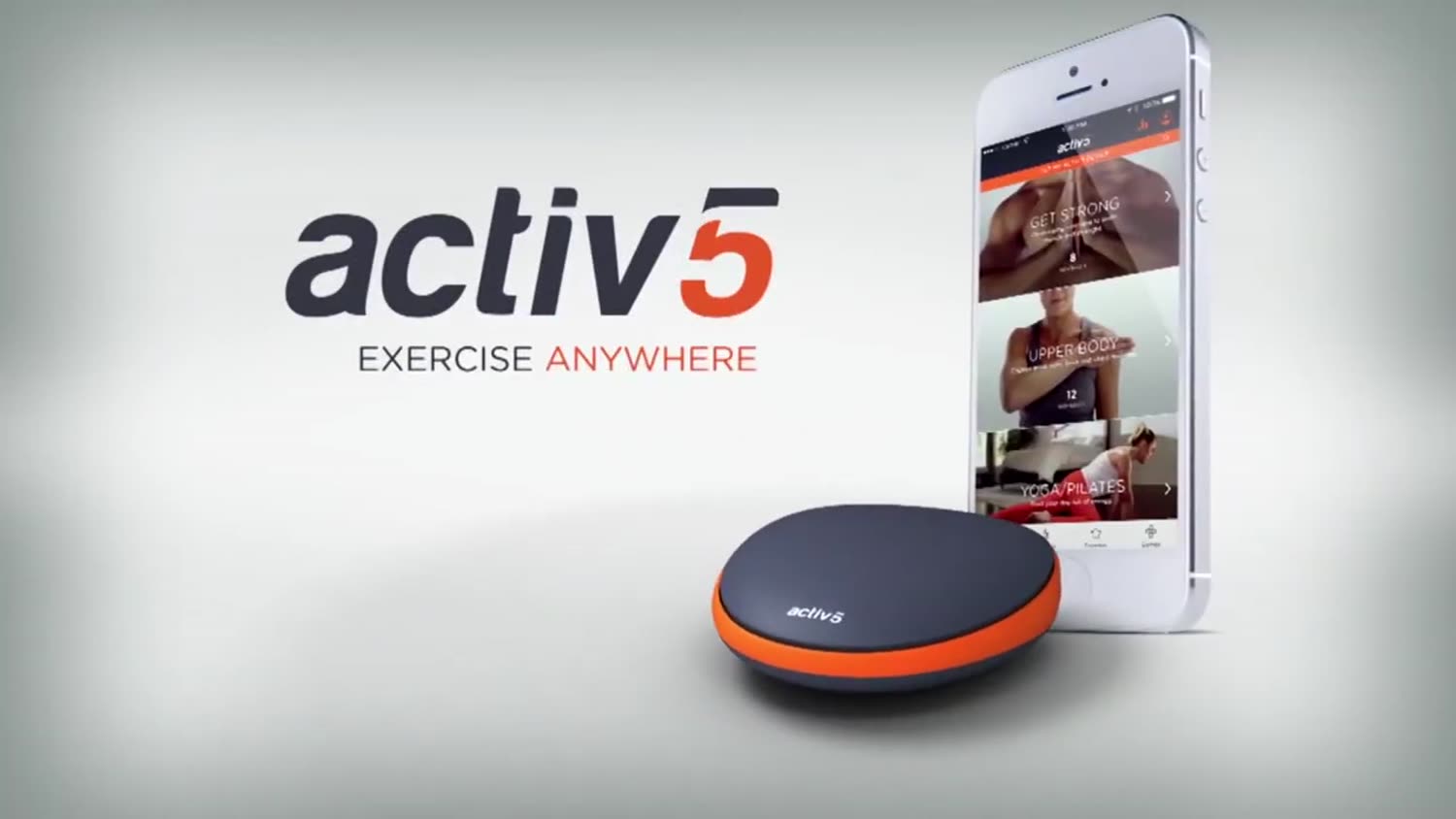
How PFLB tested a fitness device — from plan to release evidence

PFLB software testing case study — fitness device

How It Works

From "Release at Risk" to
"Ready With Evidence"

  1. We map release risk

    We learn the product, release scope, customer journeys, integrations, and failure impact.

  2. We test what matters

    Functional, exploratory, API, integration, compatibility, and performance testing cover the release risk.

  3. You get release evidence

    Reproducible defects, coverage status, residual risks, and a clear release-readiness assessment.

  4. We maintain confidence

    We verify fixes, protect regression coverage, and adapt the test suite as the product changes.

Managed QA Services, or One Bounded Project

Two engagement models, and an honest answer about which one fits.
Both give you one accountable QA lead.

  • 10-Day Release Risk Assessment

  • Project QA

  • Managed QA Services

  • QA Consulting Services

What Clients Get From Our QA Services

Across 300+ client projects since 2008, the deliverable that mattered
was almost never the test count.

  • Reliability You Can Show

  • Speed Without a Quality Trade

  • A Stronger Team Afterwards

  • Release Readiness Assessment

Test Automation That Survives the Next Sprint

Automation fails in a predictable way, and the cause is rarely the tools.
It is a suite nobody owns inside the development process.
  1. Why Suites Get Switched Off

  2. The Stable Core Goes First

  3. What Stays With People

  4. Yours Afterwards

Where Software Quality Is Won, and Where It Is Paid For

Software quality is not decided in the final week before a release.
It is decided by how early the first honest signal arrives.

  • Testing at the End

  • Testing That Moved Earlier

  • Why a Bigger Team
    Does Not Fix It

Where Our QA Engineers Have Domain Expertise

Industry expertise decides how fast a QA team understands what a defect
actually costs. Three areas where ours runs deepest.

  • Banking and Fintech

  • Ecommerce and Retail

  • Software Vendors and SaaS

Don't Take Our Word
For It. Take Theirs.

Rating: 5 out of 5 stars

I was highly satisfied working with PFLB. They’re a fantastic one-stop shop for software performance, with everything you need—their platform and skilled engineers. I’ve used them four times to performance test the College Board software before big updates, and it all went smoothly. Plus, I love that they store all the testing data, so we can track performance capacity over time.


Bob Burke

Bob Burke

President, Folderwave

4 engagements, 4 successful launches — zero SAT-day outages

Rating: 5 out of 5 stars

It was a pleasure working with PFLB, and I’d recommend them for performance testing. They quickly got up to speed with our complex software architecture and were super productive in setting up our performance test environment in the cloud. They were really dedicated to improving our product with their strong expertise in performance optimization.

Steve Opel

Steve Opel

Principal Technology Manager, NOV CTES

Critical bug found 48 hours pre-launch - $2M revenue protected

Get a Free Consultation

or scroll down to book a specific time slot

Pick a Time. Talk to a QA Lead

30-minute call with the QA lead who will shape
your test plan.

What happens on this call:

You describe the release, critical journeys, current coverage, deadlines, and known risks. You leave with a concrete testing approach — even if you never hire us.

  • 100% free - even if you don't buy
  • Mutual NDA signed before the call
  • Fixed quote delivered within 24 hours
  • Trusted by 300+ companies. Zero data incidents.
5.0 Clutch SOC 2 Cyber insured

Every Release Without Evidence Is a Guess

Your customers should not be your final QA environment. Your customers should not be your final QA environment.
Find the critical defects before they do.

Frequently Asked Questions
about Software Testing Services

What are managed QA services?

Managed QA gives you an accountable testing partner rather than individual testers to supervise. PFLB owns the agreed test plan, execution, defect evidence, progress reporting, and release- readiness assessment while working inside your engineering process.

When should an engineering team use an external QA partner?

Use external QA when a release deadline is at risk, regression takes too long, critical defects reach production, automation has become unreliable, or a launch, migration, integration, or traffic event needs specialist validation.

How much do software testing services cost?

Pricing depends on release scope, product complexity, environments, coverage, automation needs, and delivery model. PFLB supports bounded project work and ongoing managed QA. We provide a concrete scope and quote after the initial consultation.

How is PFLB different from staffing and other QA companies?

Staffing vendors provide people while the client still owns strategy and release judgment. PFLB owns a defined testing outcome. Unlike most general QA firms, PFLB also brings mature performance engineering, cloud load infrastructure, and bottleneck diagnosis into the same engagement.

What types of testing does PFLB provide?

Functional, exploratory, regression, API, integration, compatibility, mobile, acceptance, test automation, and performance testing, the last of these on our cloud JMeter platform and API load testing tool. Coverage is selected by business impact and release risk rather than by offering every test type by default.

How quickly can PFLB start?

The recommended entry engagement is a 10-Day Release Risk Assessment. In the first 10 business days, PFLB establishes the risk-based plan, validates the highest-risk journeys, and exposes critical defects and coverage gaps.

Can PFLB work with our internal QA and engineering teams?

Yes. PFLB can own a defined release, regression cycle, automation programme, or specialist performance track while integrating with your existing QA, engineering, product, DevOps, and delivery teams.

What do we receive before a release decision?

You receive transparent coverage status, reproducible defect evidence, prioritized critical issues, known limitations, residual risks, and a clear release-readiness assessment that engineering and product leaders can use for a go/no-go decision.

How do software testing services shorten time to market?

By moving the first honest signal earlier. Checks that can run on every commit run there, so defects surface while they are cheap and the QA team spends its judgement on what actually changed. Faster releases come from shorter feedback loops rather than from reducing test coverage, and the visible effect is that rework stops arriving in batches days before the release gate.

What is the difference between QA services and quality engineering?

QA services answer whether this release is ready. Quality engineering changes how expensive the answer is next time: better test data, cleaner environments, automation on the repeated core, and defect patterns fed back into the development process. A bigger in house team scales testing effort linearly, while quality engineering reduces the number of regression cycles a release needs at all.

Can we start with on demand testing for a single release?

Yes. On demand testing for one release, migration or traffic event is a normal starting point, and most of our managed QA engagements began that way. The scope is agreed up front, the quote is fixed within 24 hours of the call, and nothing obliges you to continue afterwards.

Do you provide QA services for teams that already have an in-house QA team?

Yes, and that is the common case. External experts are usually brought in for the work an in house QA team has no spare capacity or tooling for: a regression cycle that has outgrown the release window, a test automation programme nobody owns, or a specialist performance track. We adopt your existing QA practices rather than replacing them, and hand the software development team quick feedback in the format it already reads.

What test automation services do you provide?

Test automation of the stable regression core, API and integration checks, and data or environment setup that has to be identical every run. The suite lives in your repository and your pipeline, so continuous testing happens on every merge rather than in a separate tool your QA team logs into. We also take over automation somebody else wrote, which usually starts with deleting the third of it that no longer tells anyone anything.

Which industries do your QA services cover?

Banking and fintech, e commerce and retail, healthcare, telecom, and software vendors selling to enterprises. Those are the domains where our clients concentrate, and where a QA team already knows what a defect costs before anyone explains it. Outside them we still take projects, but we say so up front rather than claiming expertise the case history does not show.

How do you price a QA services project?

Time and materials against an agreed scope, with a fixed quote delivered within 24 hours of the discovery call. The variables are release scope, product complexity, how many environments exist, how much automation is wanted, and whether the work is one project or an ongoing QA services engagement. We would rather scope a smaller first project accurately than a large one optimistically.